Ti Yan: every card opens a different experience
A multi-layered, dual-playable learning and facilitation card system that combines visual metaphors, quotations, and colour, shape, and symbol markers to stimulate reflection, conversation, insight, and meaningful learning.
👆 Fill in a quick form to get the free PDF guide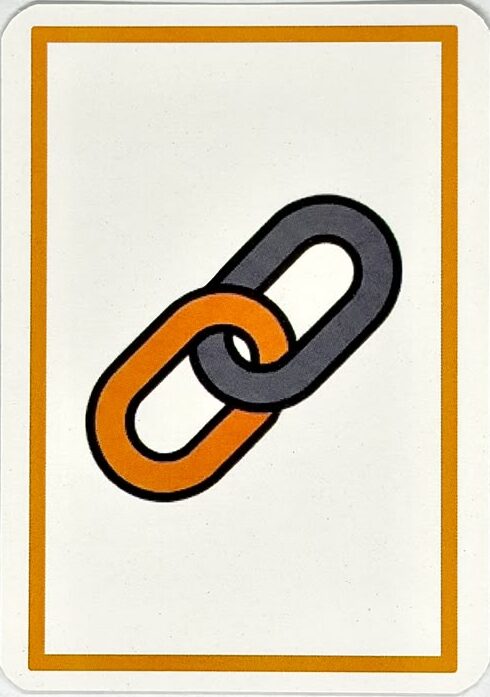
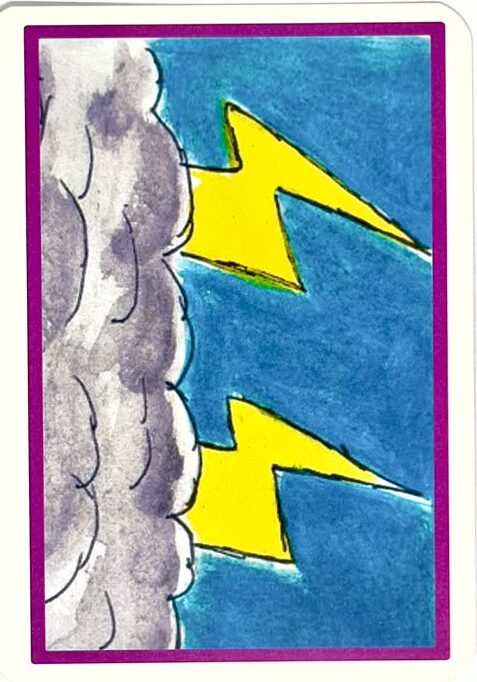
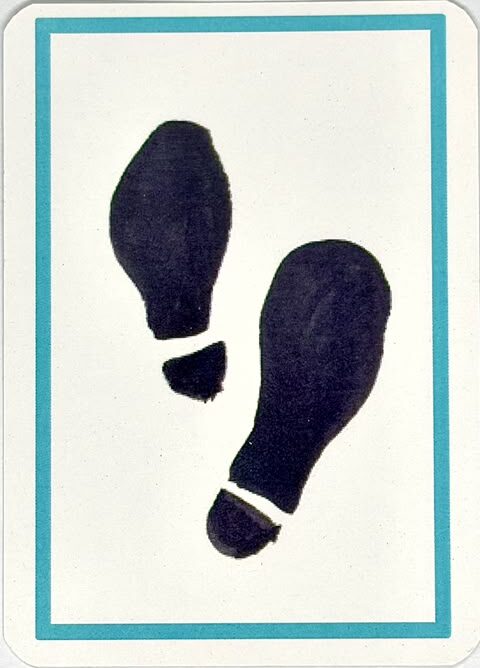
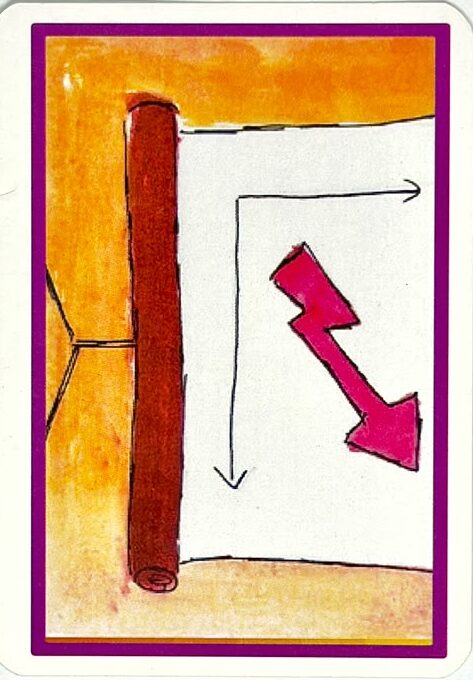
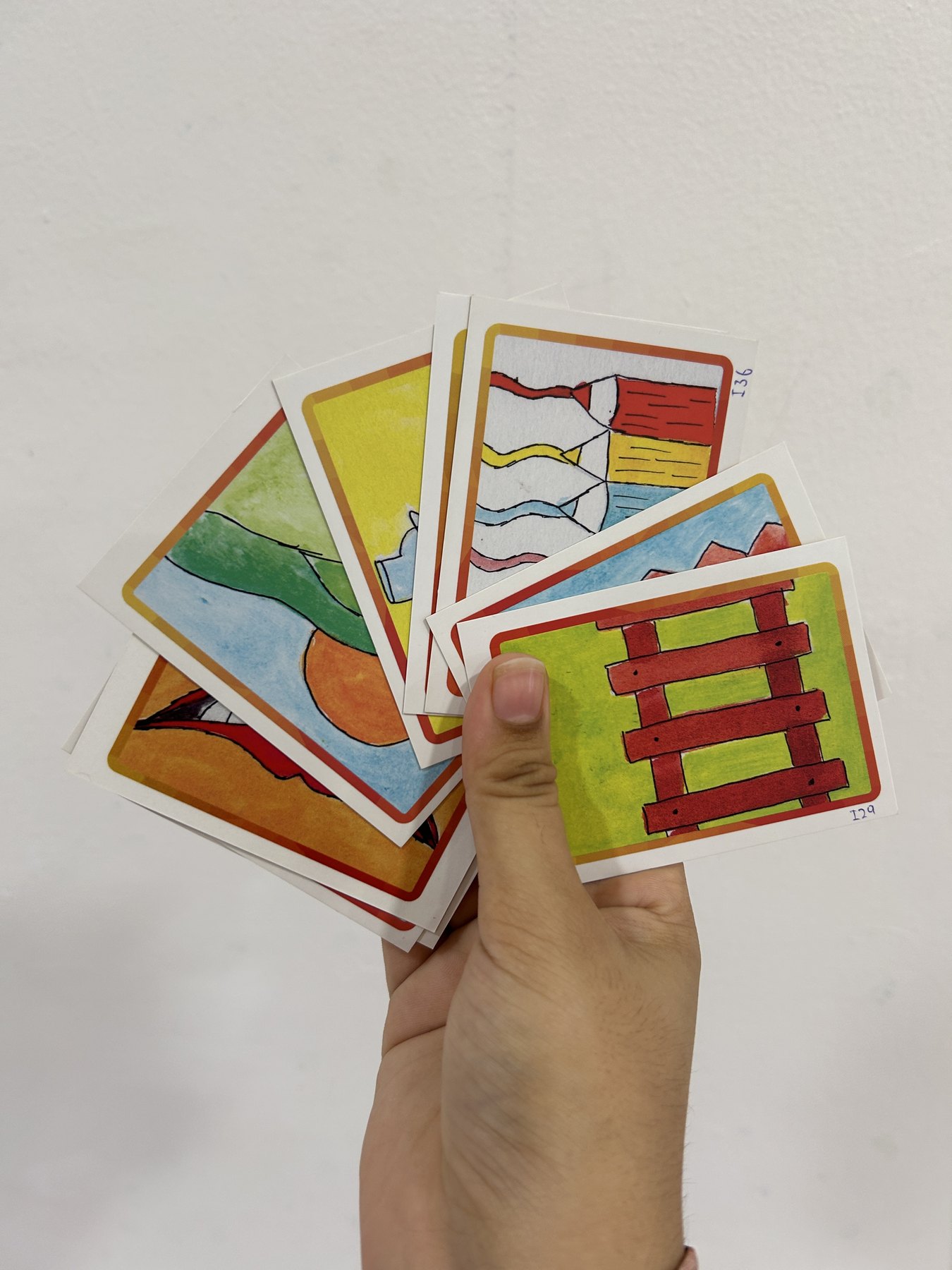
Pictures that help people find their own words
Named after the Chinese word for experience (体验), Ti Yan is an experiential learning card system built to stimulate reflection, conversation, insight, and meaningful learning — through visuals, quotations, and embedded facilitation markers, not text prompts alone.
Every image is chosen to carry more than one meaning. The same card can trigger a memory for one person and an opinion for another — which is exactly the point. No two responses are ever quite the same.
- Trigger reflection and meaningful sharing
- Spark stories, memories, and conversations
- Surface different opinions and perspectives
- Support ice-breakers, debriefs, coaching, and group dialogue
A facilitation platform in card form
Most discussion cards use one side for branding. In Ti Yan, both faces are playable — doubling the learning value of every single card.
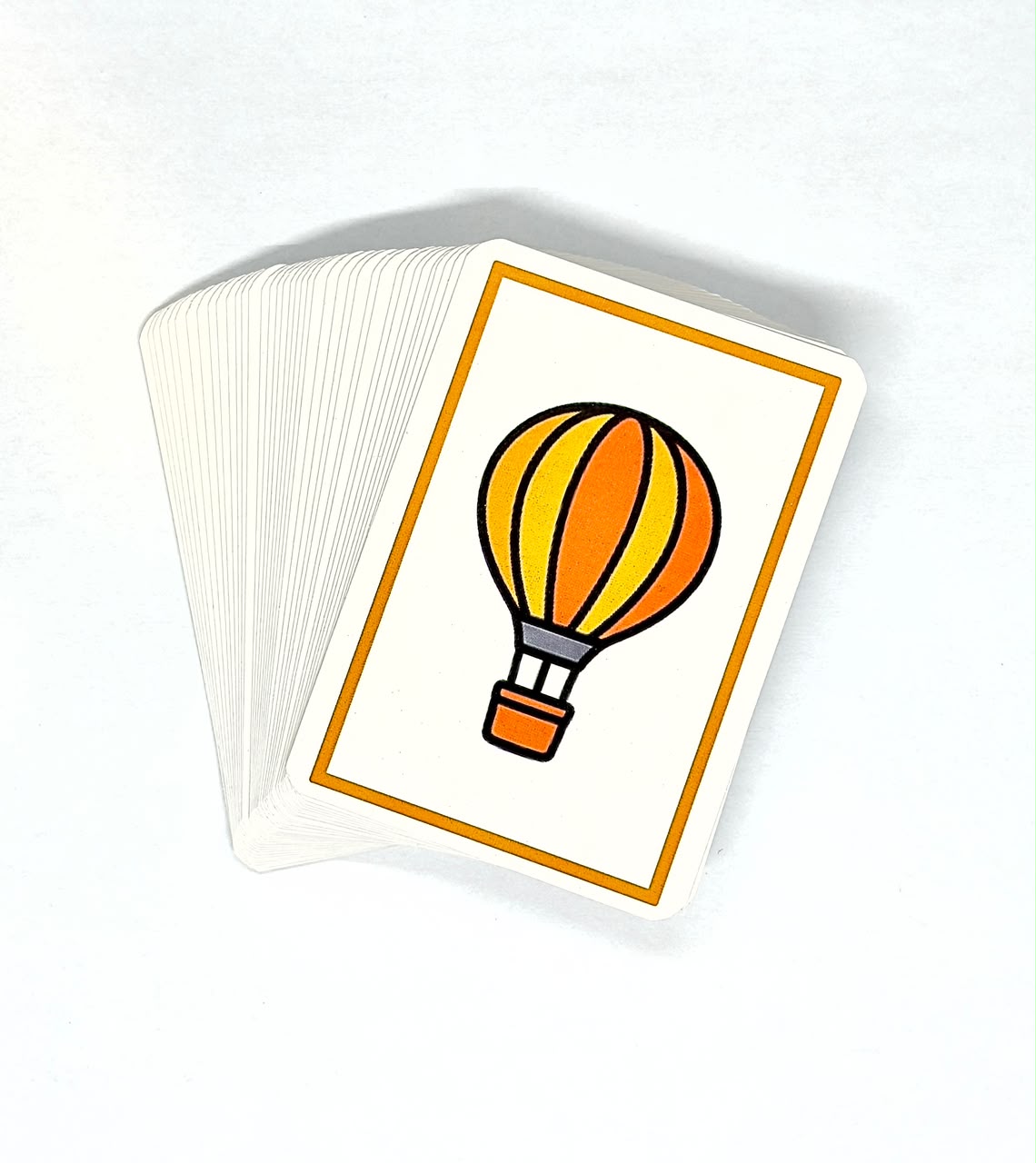
The visual
Each card features a carefully selected visual object, image, or metaphor — a bridge, a compass, a lighthouse, a puzzle piece. The image is an open-ended stimulus: participants observe, interpret, and reflect.
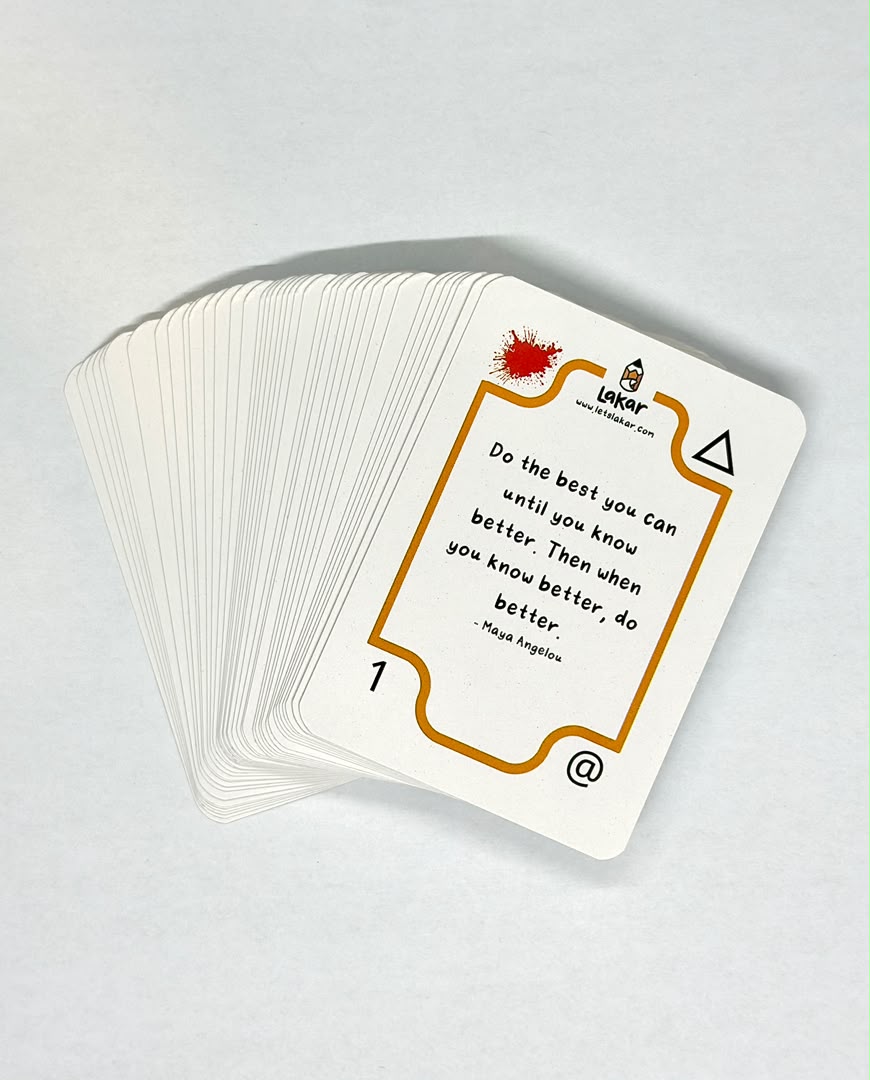
The quote
The reverse carries a curated quotation on learning, growth, leadership, resilience, or human potential — unique to that specific card. It works as a reflection trigger, discussion starter, coaching prompt, or source of inspiration.
Choose the Ti Yan deck that fits your context
All decks share the same marker system and dual-sided design — the difference is in the visual style of the cards.
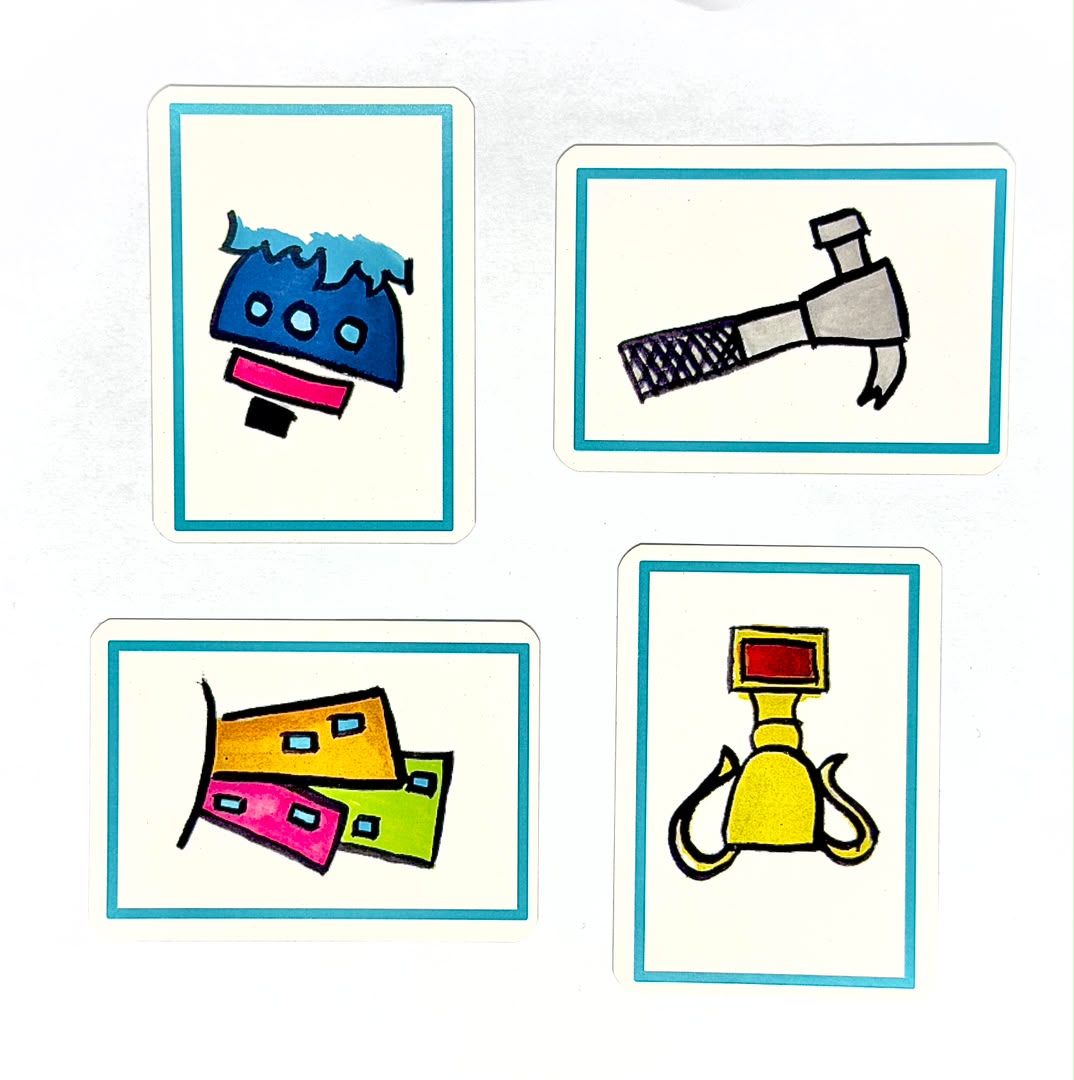
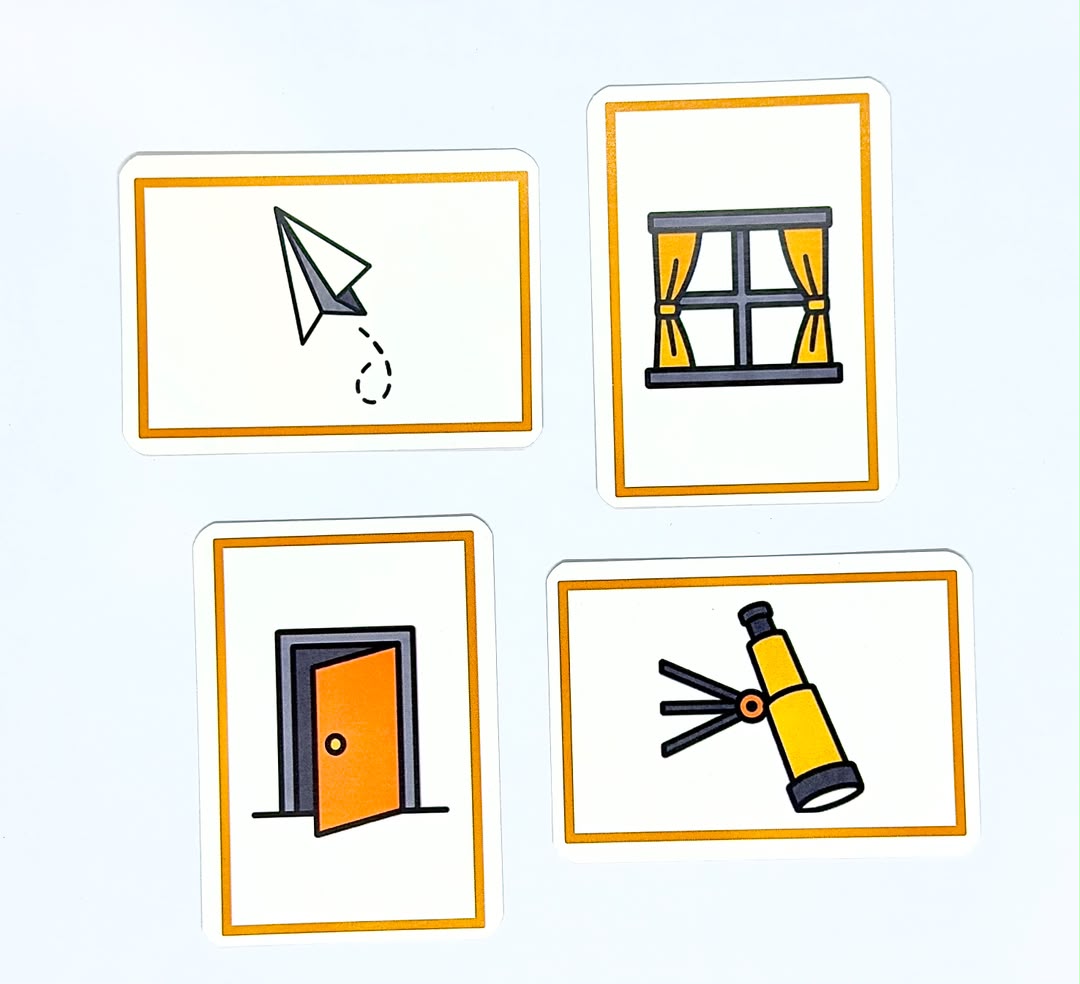
Ti Yan v4 (A)
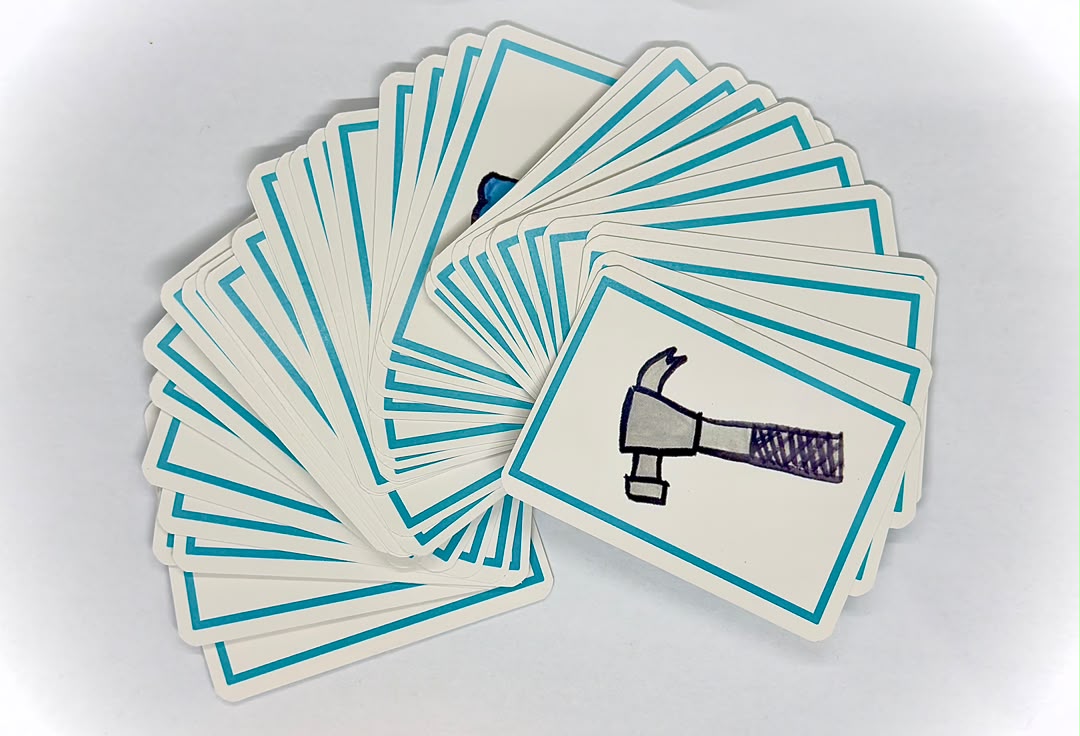
Objects on a clean white background. Clear, focused, ideal for coaching and classroom reflection.
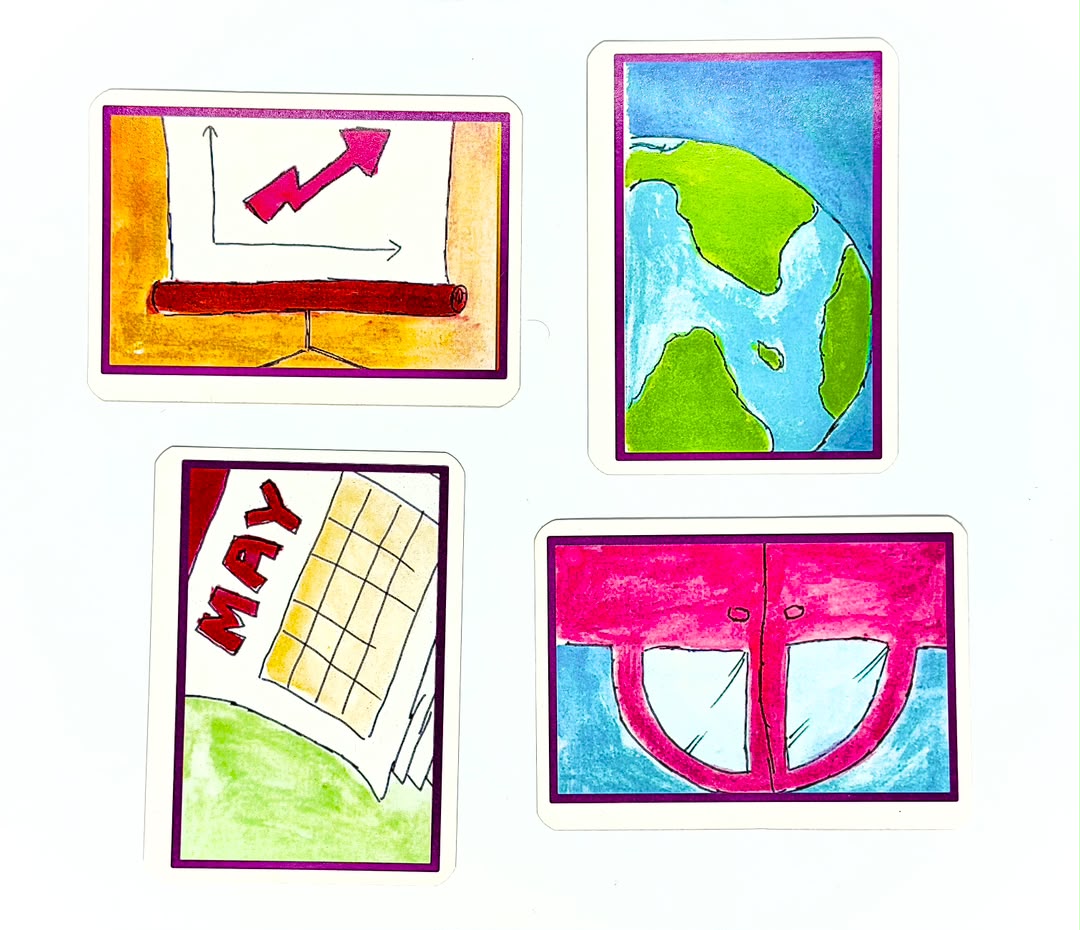
Ti Yan v4 (B)
Scenery with rich backgrounds. Evocative, story-rich, great for deeper storytelling and group dialogue.
TiYan × Lakar
Objects on a white background, drawn by Lakar.ai. A unique AI-generated visual style for modern facilitation.
Four markers. Hundreds of combinations.
Every card carries a colour, a shape, and a symbol in its corners. Stack them together and one 40-card set can generate hundreds of distinct facilitation prompts — try it below.
Pick a colour, a shape, and a symbol
This is exactly how the Facilitation Challenge Deck method works — the same mechanic, live.
Pick a colour, shape, and symbol above to generate a live facilitation prompt.
Colour → meaning
Shape → thinking lens
Symbol → prompt
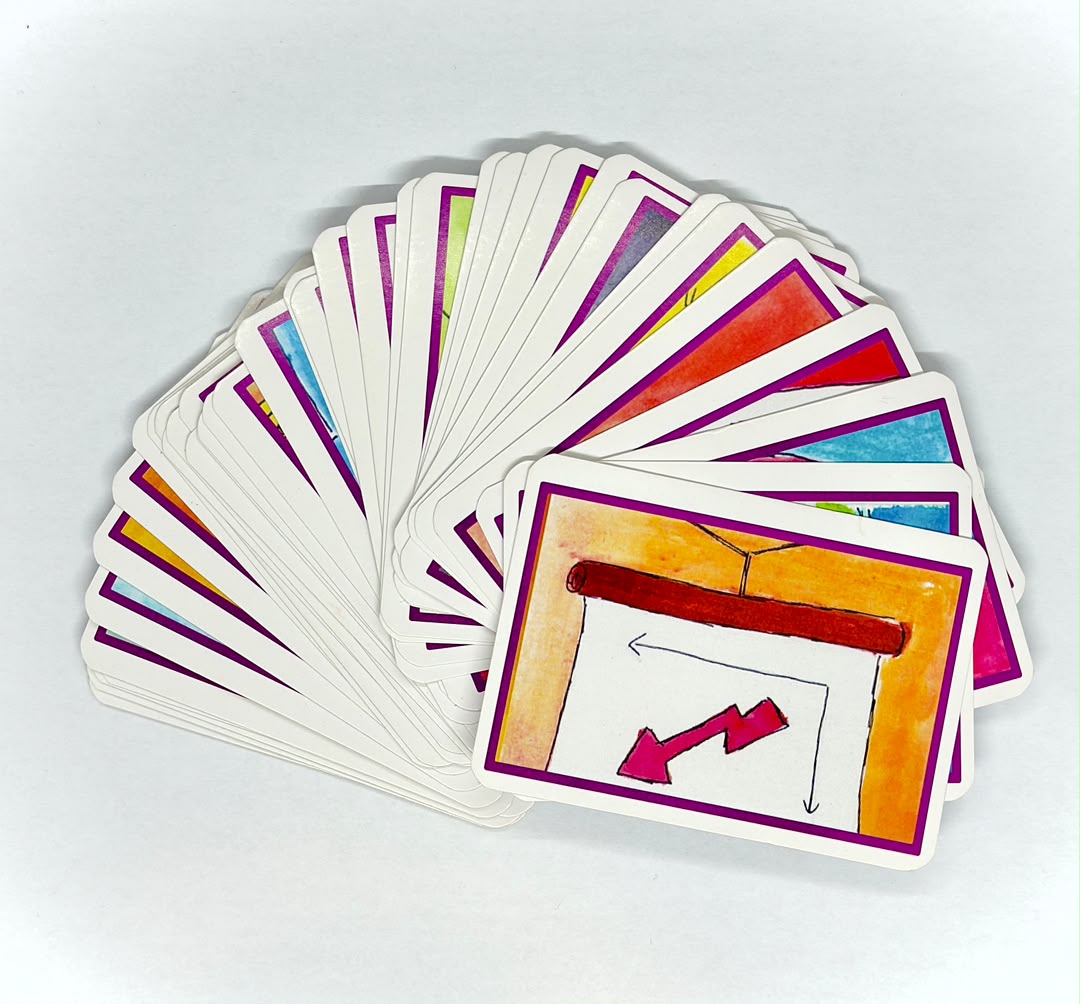
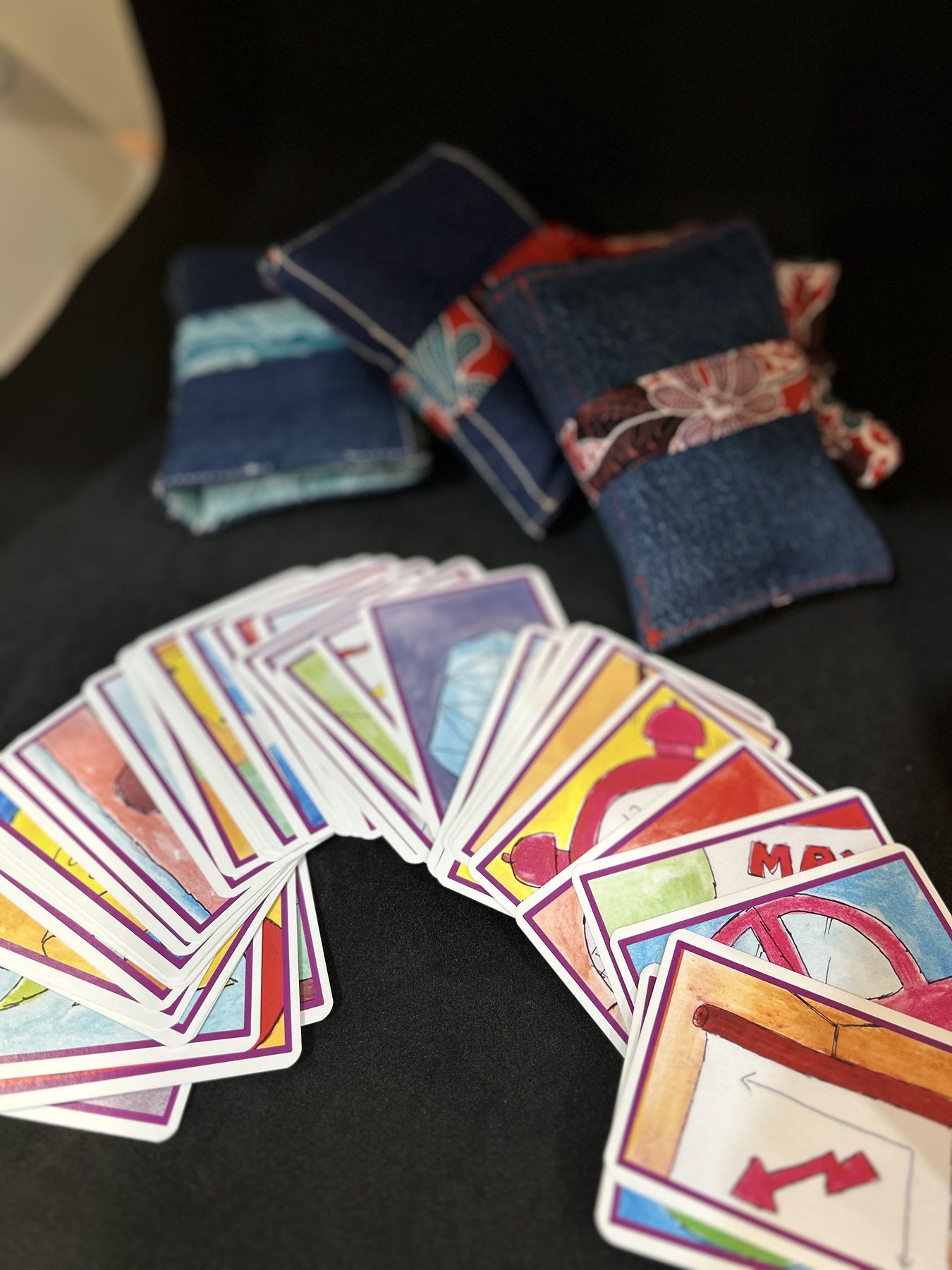
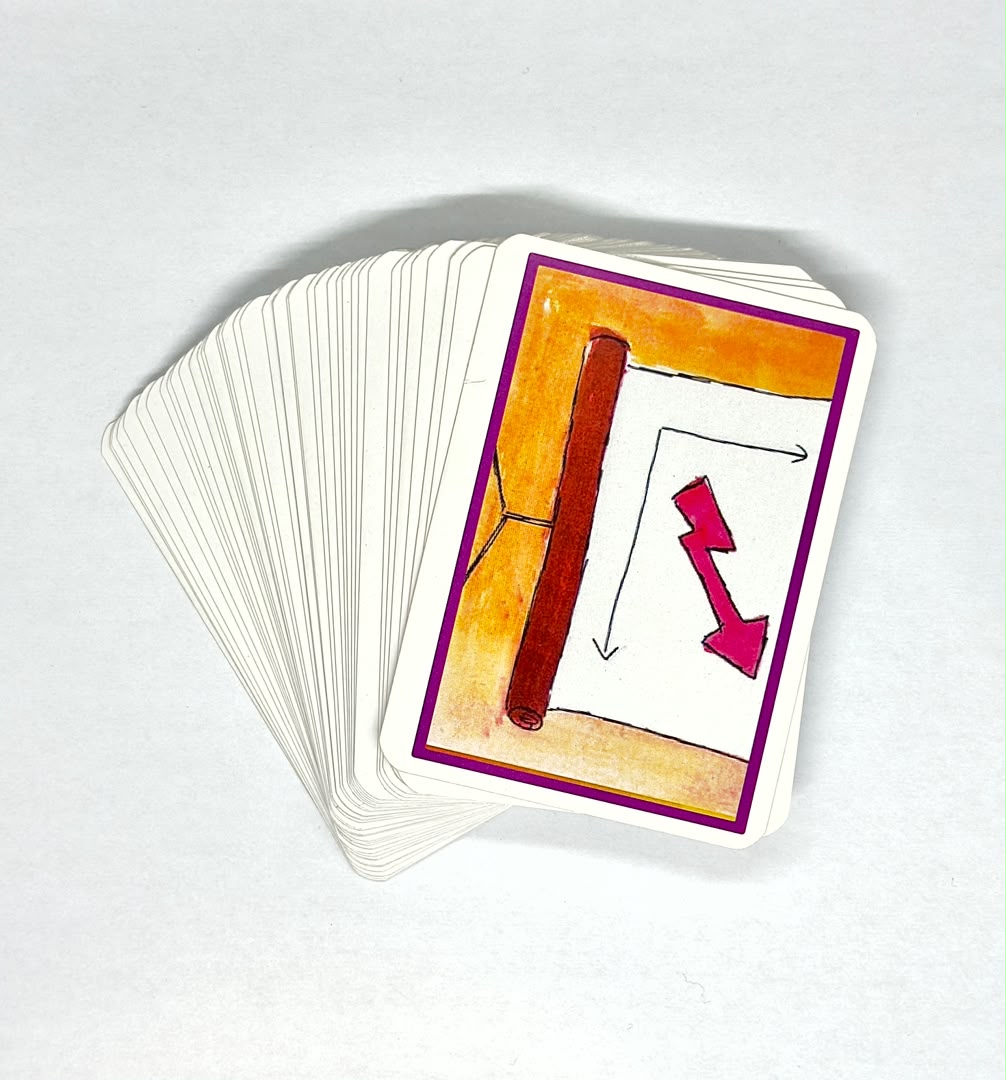
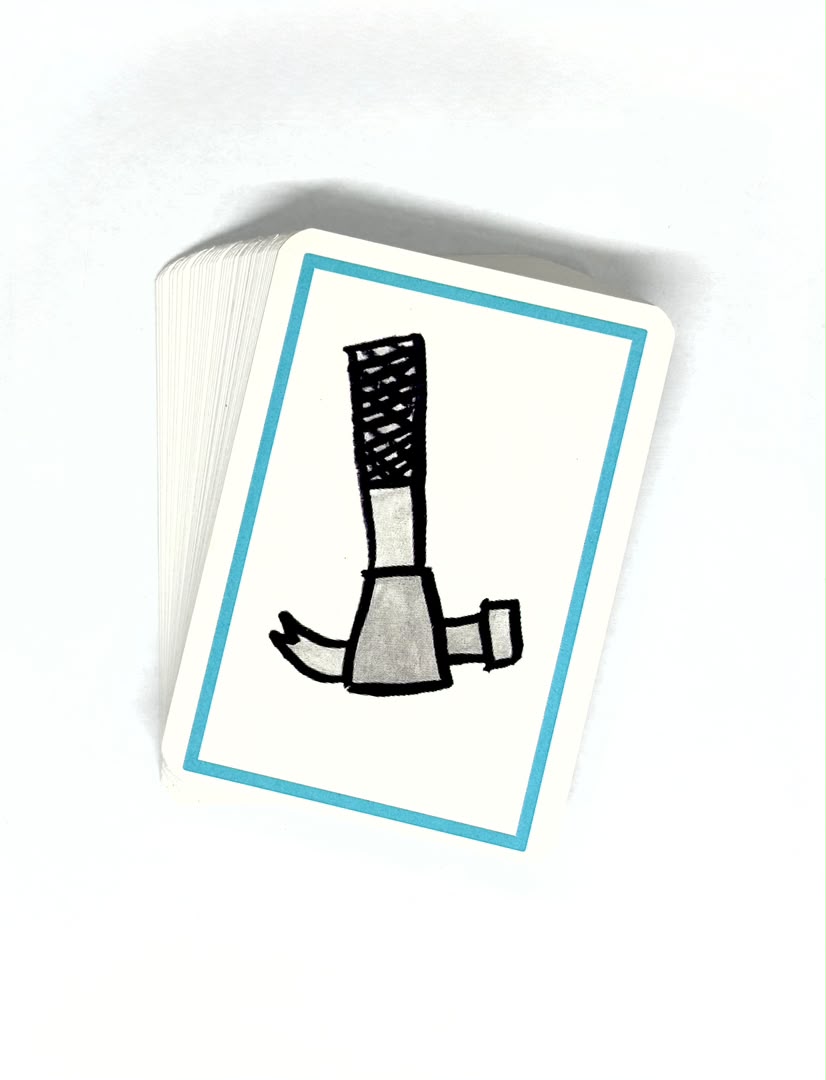
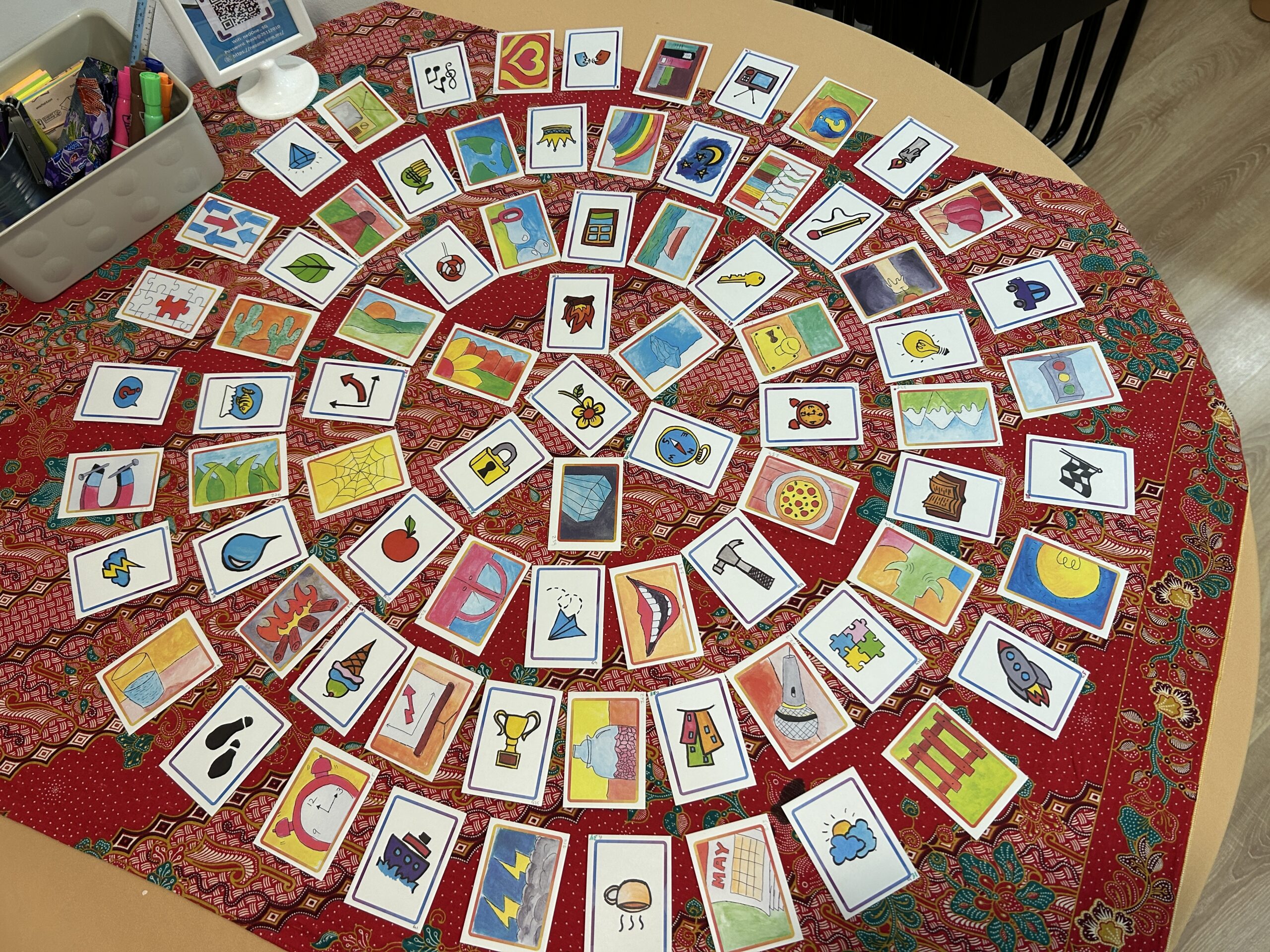
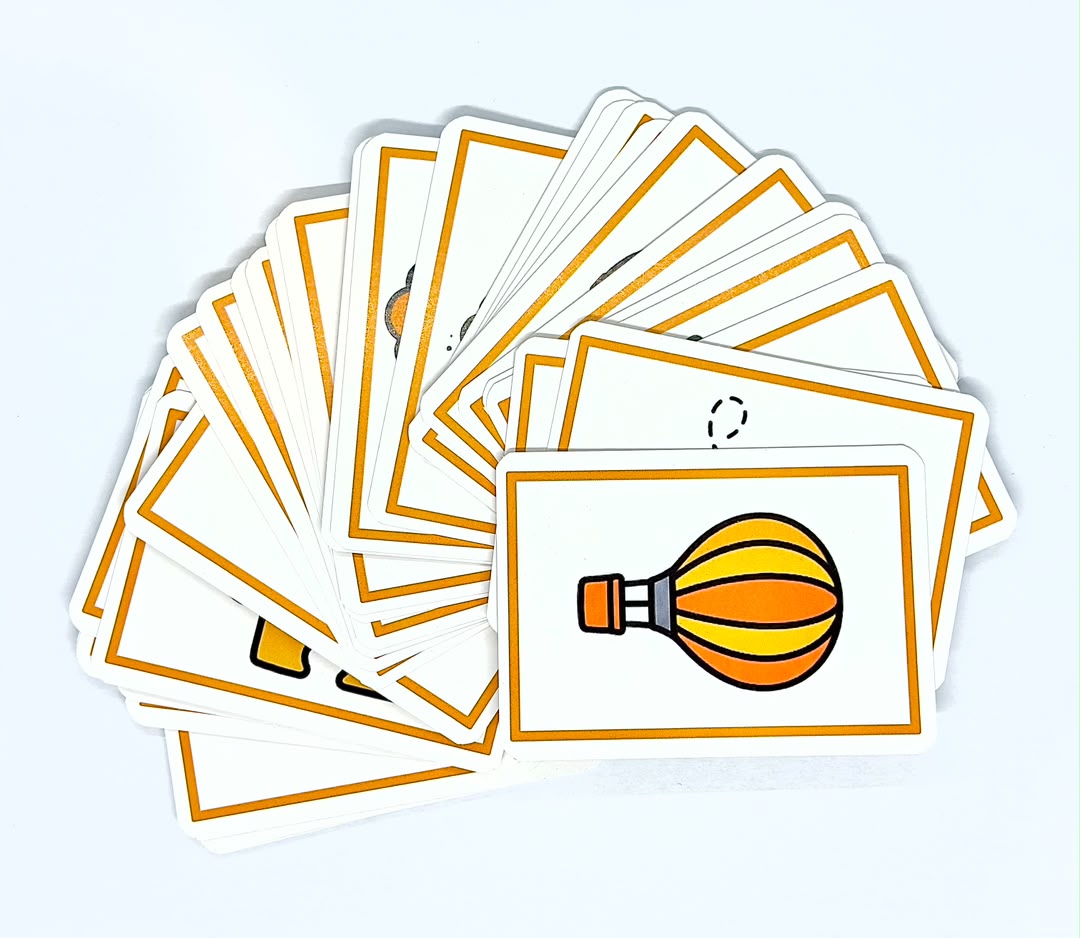
Hand-drawn images with room for interpretation
Real photography of the physical Ti Yan v4 deck. Click any image to view it larger.
5 free activities to get you started
These are ready to use right now. Unlock the full 18-activity library (plus facilitation scripts) by sharing your email below.
No activities in this category yet.
🔒 Unlock all 18 activities
Sign up for the free guide and you’ll instantly receive the complete activity library alongside the PDF manual.
Get the Free Guide & All Activities →You’ll be able to download everything immediately after signing up.
Built for anyone who leads a room
Ti Yan adapts to the group in front of you — no two sessions need to run the same way.
Educators
Encourage participation, reflection, literacy, and active classroom engagement.
Facilitators
Bring energy and depth into workshops, discussions, and group learning sessions.
Coaches
A single card can carry a coaching conversation for ten to fifteen minutes.
Teams & Organisations
Form real teams through reflection and conversation, not a random headcount.
HR & L&D Leaders
Leadership compass and coaching-card methods built for people development.
Families & Friends
Meaningful play, storytelling, and connection across generations.
Get the full Ti Yan v4 User Manual
All 18 activities, facilitator scripts, and the complete colour, shape, and symbol reference tables — free to download after a quick sign-up.
Continue with the word-play tools
Alfa Tiles
A tactile tabletop word game using physical letter tiles for building, extending, and transforming words.
Visit Alfa TilesAlfa Cards
The same creative word-play system in a portable card format that's easier to carry and set up anywhere.
Visit Alfa CardsUse Ti Yan to make sharing more visual, personal, and meaningful
Explore the product or speak to the neOOne team about using Ti Yan in your programme, workshop, classroom, or team session.